I just finished the game and I absolutely LOVE it! I love the concept and it was a short, but amazing story! (When the principal told Elliot about seeking help from someone he knew I inmediatly thought of Latiana hahah)
Even though it’s a short game and doesn’t have enough time to fully explore every aspect of its characters, the way it tells its story, guides the player, and portrays psychological struggles is incredibly clear and well-executed. While playing, I felt like a part of myself was reflected in Elliot. I may not struggle with mental health issues as severely as he does, but the inner conflict, the sense of wrestling with one’s own thoughts… felt strikingly familiar.
By the end of the game, Elliot’s conversation with Noah feels like a small light — not overwhelmingly bright, but enough to show him a way forward. It doesn’t completely erase his “condition,” nor does it make that other part of him disappear. But what matters is this: he chose to believe. To believe that no matter how dark his thoughts may be, he still has the power to choose his actions — and to choose not to hurt others.
Sometimes, just a single sentence said at the right moment… can be enough to save a life.
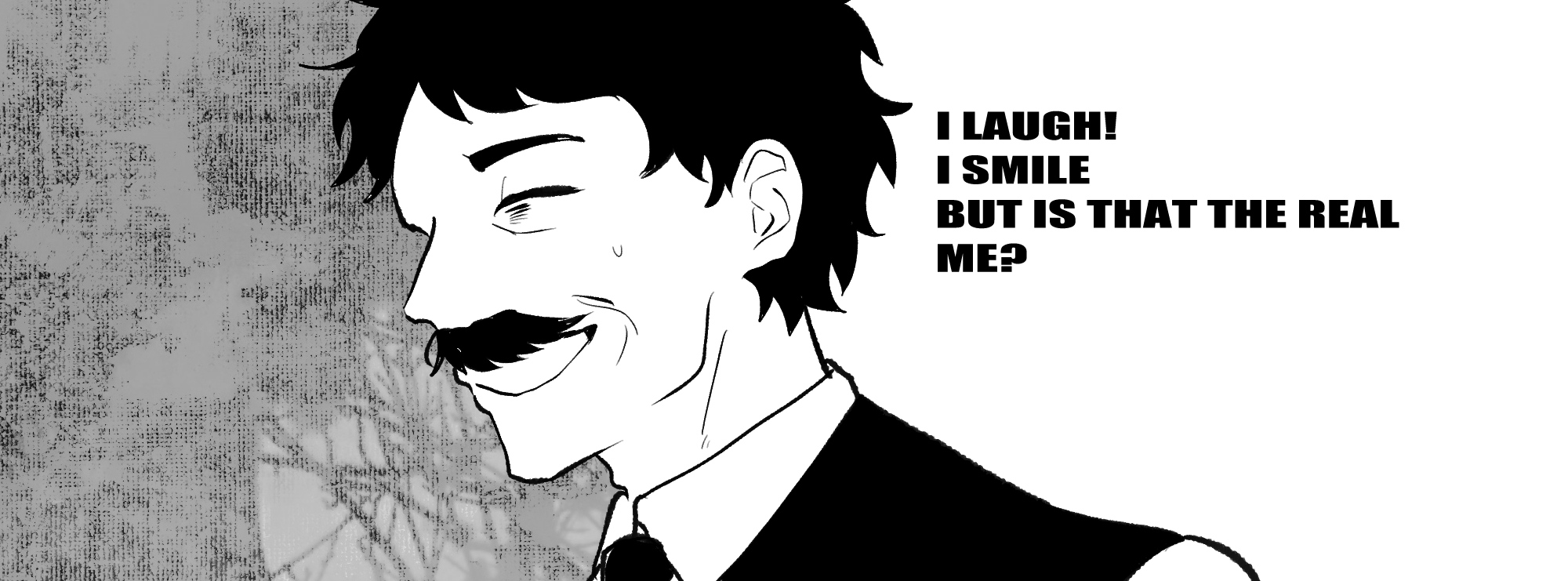
Perhaps the game also subtly suggests a kind of “natural karma.” If Elliot hadn’t “pretended” to treat others kindly, hadn’t “played the role” of a caring and responsible teacher, would Noah have ever truly trusted him? And in turn, could that trust and recognition have been what ultimately pulled him back from the edge?
In other words, sometimes “pretending” to do the right thing… is actually the first step toward becoming the person we want to be.
On a broader level, we may be good people. But in the details, there will always be small parts of us that fall short. And that, in itself, is deeply human.
Because no one is perfect.
And it is through our mistakes — through those moments of struggling with ourselves — that we gradually learn how to become better.
← Return to game
Comments
Log in with itch.io to leave a comment.
I'm so excited to play this!! I love all your work, you're my favorite game-developer! A big hug from Spain and I'll try this as soon as I can!
Have a good day, afternoon or night :D
I just finished the game and I absolutely LOVE it! I love the concept and it was a short, but amazing story! (When the principal told Elliot about seeking help from someone he knew I inmediatly thought of Latiana hahah)
I'll be waiting for your next amazing game! :)
To be honest, I really like this new game – OTD.
Even though it’s a short game and doesn’t have enough time to fully explore every aspect of its characters, the way it tells its story, guides the player, and portrays psychological struggles is incredibly clear and well-executed. While playing, I felt like a part of myself was reflected in Elliot. I may not struggle with mental health issues as severely as he does, but the inner conflict, the sense of wrestling with one’s own thoughts… felt strikingly familiar.
By the end of the game, Elliot’s conversation with Noah feels like a small light — not overwhelmingly bright, but enough to show him a way forward. It doesn’t completely erase his “condition,” nor does it make that other part of him disappear. But what matters is this: he chose to believe. To believe that no matter how dark his thoughts may be, he still has the power to choose his actions — and to choose not to hurt others.
Sometimes, just a single sentence said at the right moment… can be enough to save a life.
Perhaps the game also subtly suggests a kind of “natural karma.” If Elliot hadn’t “pretended” to treat others kindly, hadn’t “played the role” of a caring and responsible teacher, would Noah have ever truly trusted him? And in turn, could that trust and recognition have been what ultimately pulled him back from the edge?
In other words, sometimes “pretending” to do the right thing… is actually the first step toward becoming the person we want to be.
On a broader level, we may be good people. But in the details, there will always be small parts of us that fall short. And that, in itself, is deeply human.
Because no one is perfect.
And it is through our mistakes — through those moments of struggling with ourselves — that we gradually learn how to become better.